NeuroEpiLab
Developing epigenetic-based therapies
for central nervous system (CNS) disorders
Prof. Christian Griñán Ferré
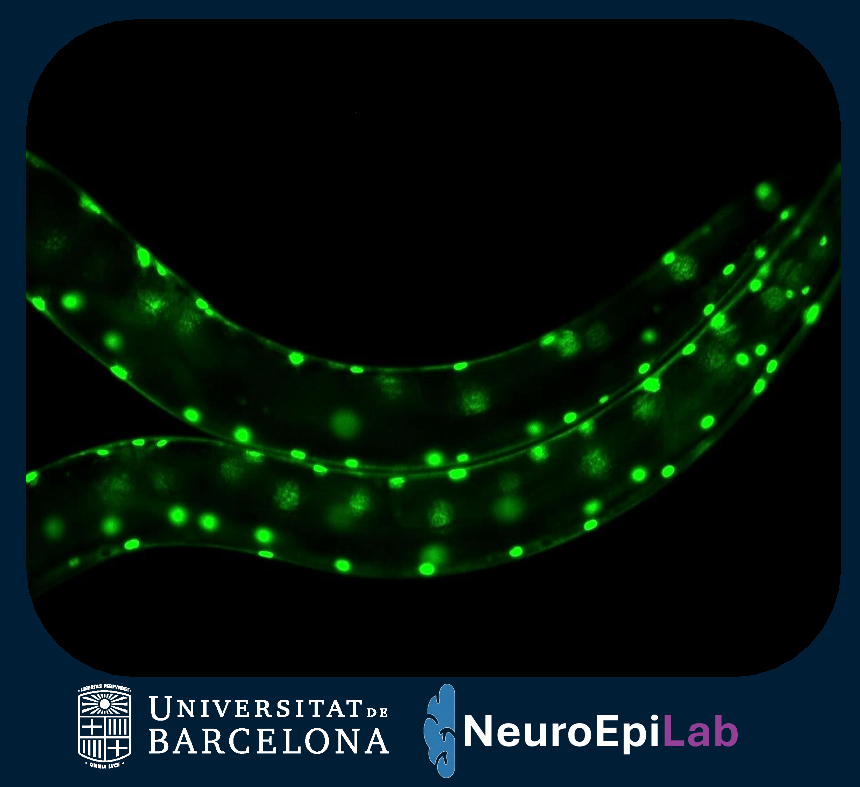
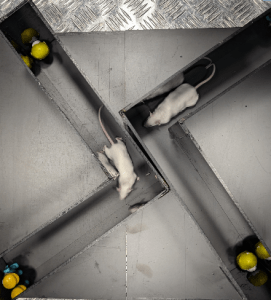
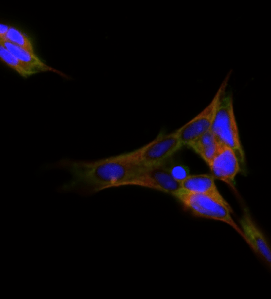
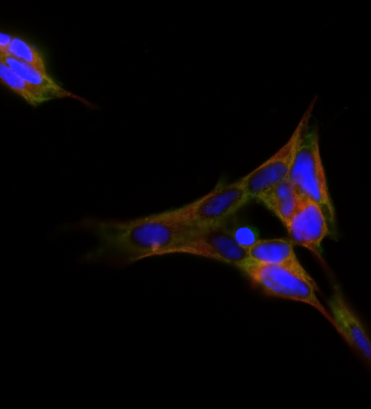
The Neuroepilab, led by Prof. Christian Griñán-Ferré, focuses on developing epigenetic-based therapies for central nervous system (CNS) disorders. The group investigates how alterations in chromatin remodeling and RNA methylation (m6A) influence gene expression, synaptic function, and cognitive decline in neurodegenerative and neurodevelopmental diseases, including Alzheimer’s.
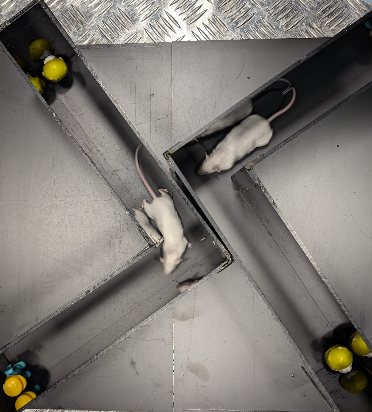
A key line of research centers on inhibitors of enzymes such as G9a, with lead compounds already validated in C. elegans and mouse models of Alzheimer’s and other CNS disorders. These candidates are currently progressing toward the preclinical regulatory phase.
With strong expertise in neuropharmacology, bioinformatics, and preclinical model development, the group employs C. elegans as a drug screening tool, a method Dr. Griñán-Ferré refined during his postdoctoral research at Semmelweis University. Neuroepilab is actively involved in CIBERNED and the GENiE network.
Through its research, the group aims to foster scientific innovation, facilitate the translation of discoveries into therapeutic solutions, and contribute to better clinical outcomes for individuals affected by CNS disorders.
OUR FOCUS
Our work centers on discovering
and optimizing drug candidates for CNS conditions, with a strong
commitment to translating
fundamental science into
transformative therapies.
EPIGENETICS
Epigenetic research enables us to
elucidate how reversible
modifications in gene regulation
contribute to the etiology and
progression of multiple diseases
BRAIN DISORDE RS
Their high prevalence, complexity,
and lack of effective treatments
make them a critical priority for
research and therapeutic innovation











 Neuropilab